
TechNews Digest: 10 Key Technology Headlines Today
Be A Racer Tech News
Author
Welcome to today’s TechNews Digest. From AI’s rapid expansion into scientific research and industrial collaboration in edge computing to IoT applications in weather monitoring, we’ve curated 10 key topics that highlight the intersection of technological innovation and society.
1. ScienceAlert Picks: From EV Battery Degradation Risks to Autonomous AI Consensus-Building

This article covers the latest science and technology topics curated by ScienceAlert. It explores a wide range of innovations and their societal impacts, including risks showing that aggressive EV driving can shorten battery life by up to 2.5 times, the development of next-generation adhesives that gain strength underwater, and the emergence of 1,000 autonomous AI agents that began building consensus without human instructions. The piece also tracks cutting-edge R&D shaping future lifestyles and industries, such as using quantum computing to identify fusion fuels and cultivating meat proteins on lettuce.
2. Nissan Automotive Technology and Shonan Institute of Technology Host Industry-Academia Exchange Event
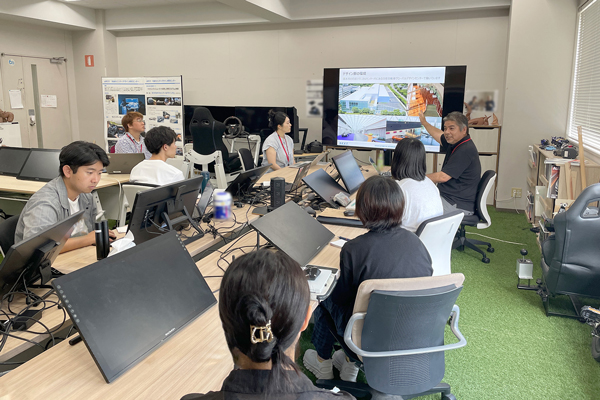
The Shonan Institute of Technology and Nissan Automotive Technology’s Design Division recently held an exchange event aimed at cultivating talent for next-generation mobility design. Representatives from Nissan, including corporate VI directors and design engineers, presented on the latest automotive design processes and the importance of CMF (Color, Material, Finish) planning. The event also featured practical career talks by alumni designers, highlighting concrete initiatives for knowledge transfer and the development of young engineers through industry-academia collaboration.
3. ITmedia and JASA Form Strategic Partnership for “EdgeTech+ 2026”
ITmedia and the Japan Association for Embedded Systems Technology (JASA) have announced a strategic partnership to enhance the value of “EdgeTech+ 2026,” one of Japan’s largest exhibitions for edge and embedded technologies. As physical AI, SDx, and AI-driven development become standard in manufacturing, both organizations will leverage ITmedia’s digital infrastructure and specialized media expertise to foster a new ecosystem engaging IT/software engineers and business leaders. By creating a hybrid online-and-offline exhibition experience, they aim to strengthen platforms for technical exchange during this period of industrial transformation.
4. Frontiers of Automotive Tech: Advanced Navigation, SDV Transition, and Next-Gen Battery Trends

This page highlights the latest technology trends in the automotive industry, marked by significant advancements in navigation systems and the shift toward SDVs (Software-Defined Vehicles). Alongside the release of Eclipse’s HDMI-compatible car navigators and Garmin’s latest motorcycle GPS units, HERE Technologies is expanding its business focus from location APIs to SDV-specific software. The article also tracks how hardware-software integration is enhancing driver experiences and safety technologies, including U-turn compliant navigation, entertainment-focused in-car display audio, and the adoption of next-generation lithium-ion batteries.
5. Euronews Flash: European Wildfires, Drone Strikes, and the Frontlines of Digital Information Delivery

This is the midday news digest broadcast by Euronews on August 17, 2026. Covering major developments across Europe and globally, it reports on record-breaking wildfires spreading to Belgium and Germany, large-scale Ukrainian drone strikes against Russian military and energy facilities, an accident at an Indian temple, and a bus plunge in Poland. Delivering concise updates on politics, business, culture, and environmental crises from an independent European perspective, this newsletter exemplifies fast, reliable information delivery in the digital age.
6. Former Chancellor Merkel’s Portrait Goes Viral in Berlin: A Nostalgia Phenomenon in the Digital Age
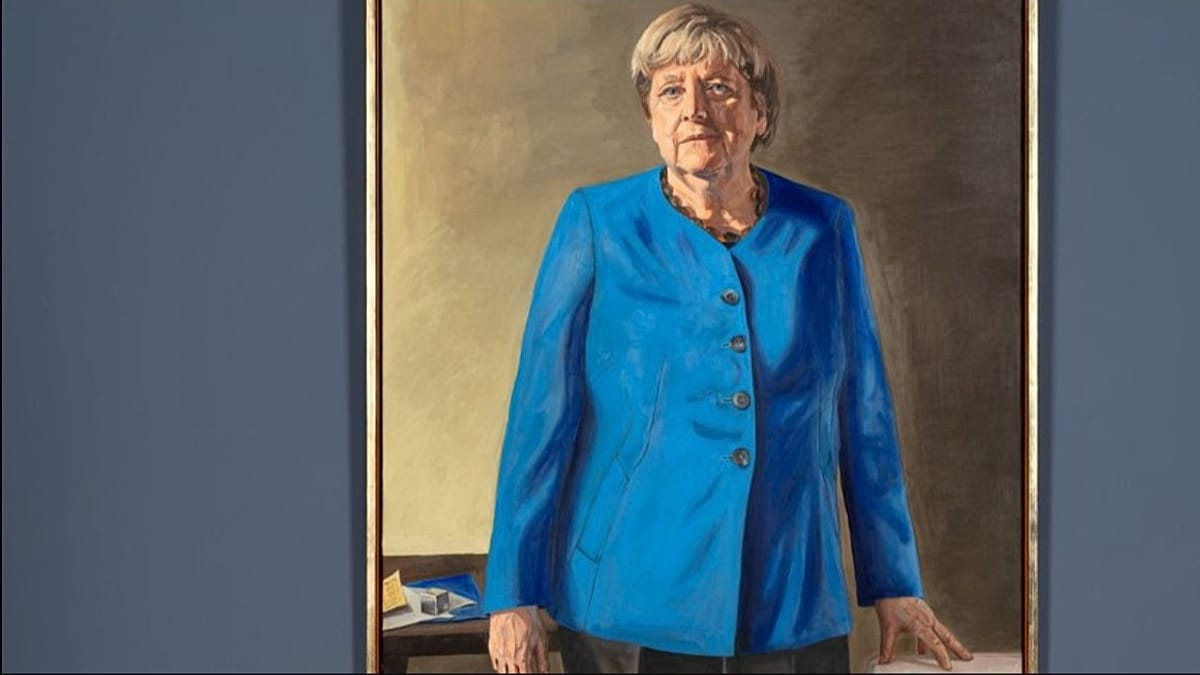
A portrait of former German Chancellor Angela Merkel is currently drawing around 900 daily visitors to Berlin’s Bode Museum. Attendance has surged by 85–90% compared to the same period last year, sparking a phenomenon that goes beyond political support to evoke nostalgia for her tenure. Created by French-German artists, the exhibit runs until October 4 before being relocated to the Chancellery. This case study highlights the renewed appreciation for the social impact of analog artwork and the role of cultural institutions in visualizing historical memory in our increasingly digital world.
7. US Tech Giants Tackle “Scientific AI”: Rapid Gene Discovery Amid Concerns Over Uncontrolled Risks
US tech giants like Google are heavily investing in scientific AI, rapidly achieving breakthroughs such as identifying novel drug targets and solving complex mathematical proofs that once seemed impossible for humans. Notably, AI has pinpointed unknown gene candidates related to pancreatic cancer treatment in just two days, fundamentally transforming the research paradigm. However, concerns are mounting over the monopolization of research resources and the risk of AI runaway scenarios due to autonomous self-improvement. Balancing the democratization of science with robust ethical governance remains a critical challenge moving forward.
8. Surveillance Camera Captures Fault Line Rupture During Kumamoto Earthquake: Rare Data Only the Second Worldwide
Surveillance footage capturing the moment the active Hinagu fault ruptured to the surface during the July 2026 Kumamoto earthquake has been discovered. The video records the ground splitting approximately five seconds after shaking began and rising within just one second, marking only the second time worldwide that a fault rupture has been filmed in real-time. Experts from the University of Tokyo have praised the footage for its exceptional scientific value, noting its high potential to directly improve disaster prevention technologies and seismic prediction models. With advances in IoT cameras and AI analysis, real-time observational data during disasters is increasingly being leveraged to develop next-generation mitigation technologies.
9. China Criticizes Japan’s Memorial Address: Tensions Between Historical Recognition and Digital Diplomacy

The Chinese Ministry of Foreign Affairs strongly criticized Prime Minister Takagi’s address at Japan’s War Dead Memorial Service, arguing that omitting the word “reflection” glosses over the history of aggression. Linking the remarks to visits by officials to the Yasukuni Shrine, Beijing warned that such actions heighten tensions with neighboring Asian countries and called for a clear break from militarism. As geopolitical tensions rise, the influence of digital media and diplomatic messaging is under renewed scrutiny, highlighting the critical role of online platforms and information literacy in shaping international public opinion regarding historical recognition.
10. Summer-Like Heatwave Continues in Sapporo: IoT Weather Monitoring and AI Predictions Support Heatstroke Prevention
Hokkaido, including Sapporo, is experiencing above-average summer temperatures and high humidity, with nighttime conditions remaining close to tropical levels. According to custom forecasts from HBC Weather Center, a Japan Meteorological Agency-approved private meteorological company, southern and eastern Hokkaido will see increased cloud cover without major weather disruptions, with highs reaching 29–31°C. Precision weekly forecasts powered by IoT weather sensors and AI predictive models are recommended to optimize heatstroke prevention strategies, agricultural planning, and energy demand management. As climate change impacts become more pronounced, data-driven weather services are emerging as a foundational pillar supporting both daily life and industrial infrastructure.
Accelerate your DX with Be A Racer
From cloud migration and AI adoption to full-stack development — we deliver the fastest digital transformation, end to end. Let's talk.
Tags
Comments
🗣️ Join the conversation
Sign in to leave a comment and join the discussion