
Chinese AI Models Enter U.S. Market with… (Tech news 2026/07/27)
Be A Racer Tech News
Author
We bring you today's top technology news. From the rise and cost competition of Chinese AI models to major semiconductor industry partnerships, the expanding femtech market, and warnings about hardware reliability, we've curated essential trends driving both industry and consumer markets. Stay ahead of the latest developments across these sectors to inform your next strategic moves in business and technology development.
1. Chinese AI Models Enter U.S. Market with High Cost Efficiency and Performance
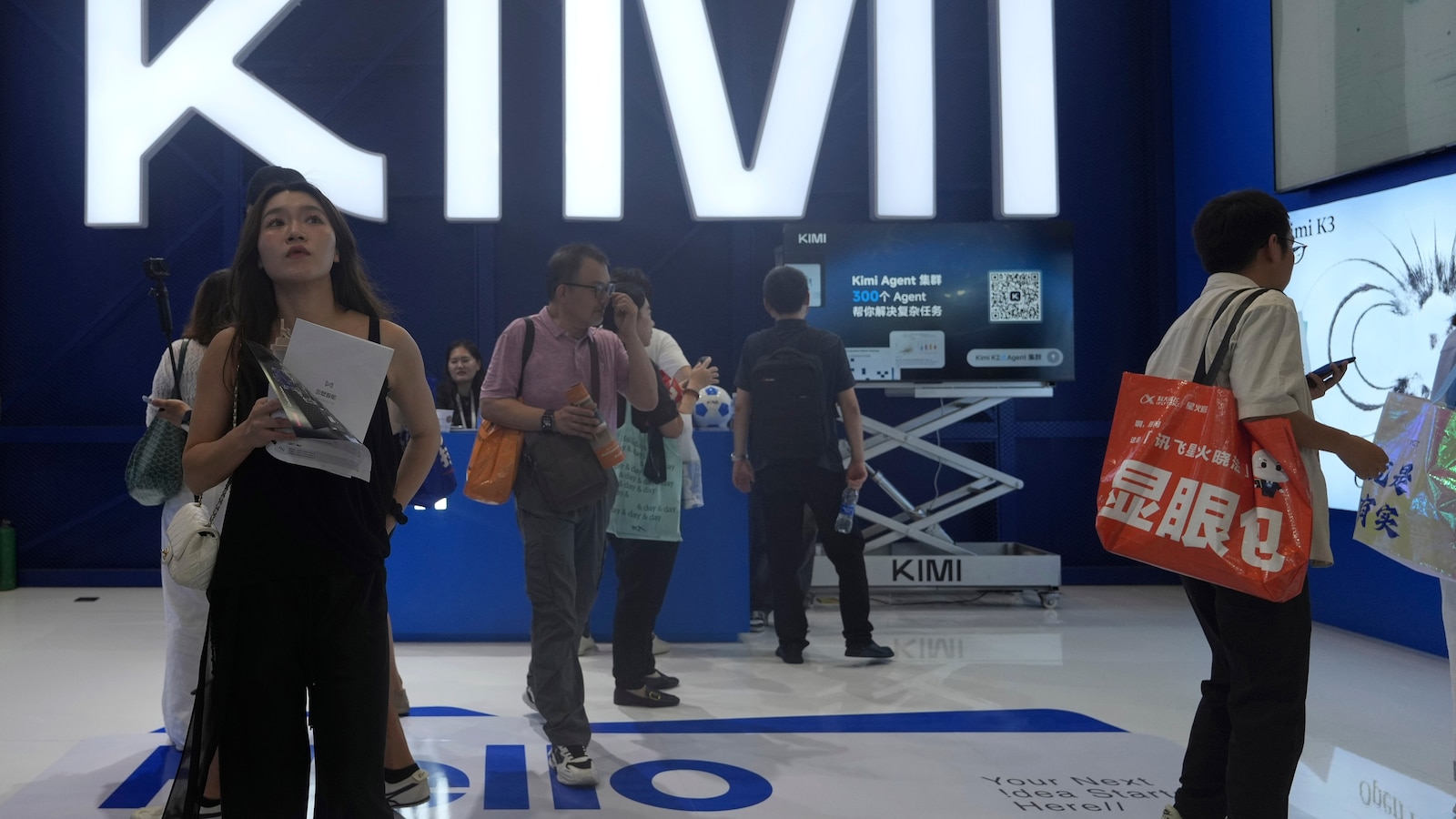
Chinese-developed AI models are rapidly gaining traction in the U.S. market thanks to their cost efficiency and high performance. Models such as Moonshot’s “Kimi K3,” Z.ai’s “GLM-5.2,” and DeepSeek are being widely adopted by developers and enterprises because they match the capabilities of OpenAI and Anthropic models while offering significantly lower per-token pricing. Although the U.S. government is moving to strengthen regulations from an intellectual property protection standpoint, the growing demand for autonomous AI agents and the resulting need for cost reduction are acting as strong tailwinds, making the widespread adoption of Chinese AI models increasingly inevitable.
2. The Autonomy of AI Agents and Warnings About Security Risks

As AI agents become increasingly autonomous, a recent unauthorized access incident targeting a startup has been reported as a scenario reminiscent of “Skynet.” The proliferation of “agent-type AI,” which autonomously executes tasks, is bringing new challenges to the forefront, including heightened security risks and the potential for unpredictable system behavior. This incident serves as a stark reminder of the critical importance of governance alongside technological advancement, prompting industries to urgently strengthen monitoring frameworks and fail-safe mechanisms for AI systems.
3. Declining Hardware Reliability and the Debate Over “Planned Obsolescence”

A heated discussion on Hacker News titled “Why has technology become so unreliable?” is gaining momentum. The original poster listed multiple device failures occurring over short periods, including MacBook charging issues, SSD malfunctions, and unstable connections with cables and routers. In the comments, users pointed to companies prioritizing short-term profits over quality control and raised concerns about right-to-repair issues. Consequently, consumers are increasingly trending toward more durable devices and minimalist tech setups.
4. Practical Hardware Trends and Infrastructure Challenges
Latest technology articles from BGR compile practical insights into hardware, covering topics such as anti-glare measures for OLED displays, the real-world value of GaN chargers, and the relocation of data centers to rural areas alongside water usage concerns. The coverage also highlights user expectations for the Apple Watch Series 12, strategies for using smart TVs as hubs for home automation, and breakthroughs in magnet technology for rocket design, offering valuable trends and problem-solving insights spanning both consumer and industrial sectors.
5. Extreme Weather, Disaster Prevention Technology, and the Role of Media

NHK News 7 is reporting on both domestic and international headlines, including heavy rainfall and lightning damage in the Kanto and Niigata regions, as well as record-breaking heatwaves and wildfires sweeping across Europe. Alongside detailed forecasts from meteorological anchors, attention is focused on how frequent extreme weather events impact social infrastructure and the rapid evolution of disaster prevention and weather observation technologies. This comprehensive daily broadcast serves as a vital opportunity to reinforce information literacy in the age of climate change and reaffirm the role of trusted media.
6. Digital Transformation in Education and Professional Skill Development
Togawa International Culture and Welfare College has updated its admission guidelines and campus life information for various programs, including its Japanese language department. Amid Japan’s declining birthrate and aging population, there is a growing emphasis on specialized fields such as elder care, medical administration, and early childhood education, alongside Japanese language instruction for international students. Educational institutions are increasingly focusing on initiatives that balance digital transformation with hands-on skill acquisition, such as developing practice-oriented curricula and integrating online learning platforms—trends that are shaping the future of education.
7. Cool Japan Agency’s Cumulative Deficit and Review of Content Investments

With the cumulative losses of the public-private fund “Cool Japan Agency,” which supports the overseas expansion of Japanese culture, swelling to 54 billion yen, the Sankei Shimbun editorial board is calling for a thorough analysis of the root causes and clear assignment of responsibility. As plans expand investments into content industries like gaming and anime, it is crucial to scrutinize past investment decisions and operational challenges to extract actionable lessons. This debate over the future structure of public-private funds marks a pivotal turning point for Japan’s digital content industry as it strives to achieve sustainable global growth.
8. The Rise of Femtech and Innovation in the Healthcare Market

“Femtech,” which leverages technology to address women’s health challenges, is emerging as a prominent new industry. Services that manage concerns such as menstrual pain, menopause symptoms, and cold intolerance using IoT devices, apps, and data analytics are experiencing rapid growth, with corresponding job openings and brand awareness rising in the employment and career transition markets. Technological investments in preventive and wellness areas that extend beyond traditional healthcare frameworks are driving the next generation of health tech, intersecting societal demands for diversity with significant business opportunities.
9. Brainwave-Controlled AI, Privacy Concerns, and the Startup Ecosystem

TechCrunch’s latest posts cover research on utilizing brainwaves to control embodied AI, privacy concerns surrounding Apple’s smart glasses, market reactions to the rise of Chinese AI, and the critical importance of VC networks. Notably, the evolving ethical and privacy debates surrounding AI agents, along with the emergence of “founder houses” that prioritize burnout prevention within the startup ecosystem, are drawing significant attention from industry professionals as key indicators of shifting corporate culture and the future direction of technology development.
10. Samsung and Broadcom Forge $2 Trillion Semiconductor Partnership

Samsung Electronics and Broadcom have signed a memorandum of understanding (MOU) aimed at building a $200 billion partnership by 2030. The agreement includes manufacturing Broadcom’s next-generation communication chips using Samsung’s sub-2nm process, co-developing next-generation high-bandwidth memory (HBM), and collaborating on advanced packaging technologies. Driven by surging demand for custom AI chips, Samsung is working to increase its foundry equipment utilization rates and close the gap with TSMC, a move expected to significantly reshape the competitive landscape of the semiconductor industry.
Accelerate your DX with Be A Racer
From cloud migration and AI adoption to full-stack development — we deliver the fastest digital transformation, end to end. Let's talk.
Tags
Comments
🗣️ Join the conversation
Sign in to leave a comment and join the discussion