![[TechNews Digest] Top 10 Technology News Stories Today](https://images.unsplash.com/photo-1590345213370-caf4f5515bc6?crop=entropy&cs=tinysrgb&fit=max&fm=jpg&ixid=M3w4Njc3NjV8MHwxfHNlYXJjaHw2fHxUZWNoJTIwbmV3cyUyMGNvdmVyfGVufDB8MHx8fDE3OTExNjIyNDR8MA&ixlib=rb-4.1.0&q=70&w=1280&auto=format)
[TechNews Digest] Top 10 Technology News Stories Today
Be A Racer Tech News
Author
Hello. Today, we’ve curated a selection of news highlighting pivotal shifts in the tech industry, covering AI regulation and reliability, military technology reassessments, and data infrastructure challenges. Be sure to explore the latest developments across these sectors and their practical implications for your business.
1. The Risks of "Unregulated Technology" and Concerns for Human Life, Warned by AI Experts

NYU Distinguished Professor Gary Marcus has warned that unregulated AI development could lead to loss of life and disruptions to critical infrastructure. He argues that the White House’s approach of relying on corporate self-regulation is insufficient, emphasizing the need for independent external oversight bodies similar to those in the aviation industry. Given the rise in cyberattacks and the risk of autonomous systems spiraling out of control, he strongly advocates for the early establishment of legal frameworks that balance technological innovation with public safety, alongside strict governance enforcement for companies.
2. Latest MarTech Trends: Accelerating Marketing Optimization Through AI Integration

The application of AI in marketing technology is rapidly deepening. Industry consolidation is underway as Google expands its AI fact-checking rules into metadata spaces, new AI growth operating systems for healthcare marketing emerge, and advertising optimization platforms adopted by over 100 brands gain traction. With data analytics, personalization, and revenue operations automation becoming integrated, marketers are entering a critical phase where strategic AI adoption is essential for driving decision-making and elevating customer experiences.
3. Cybersecurity Awareness Month: A Practical Guide to Being Your First Line of Data Defense
In observance of Cybersecurity Awareness Month, West Virginia University has published foundational guidelines for protecting data at both individual and organizational levels. Users are advised to use unique passwords of at least 16 characters per account and avoid predictable strings. Leveraging password managers from Google or Apple, along with biometric multi-factor authentication, is recommended. Additionally, there is a growing shift toward adopting "passkeys," a new authentication method highly resistant to phishing attacks. These practical guidelines offer actionable steps for strengthening digital security.
4. Over 80% of IT Engineers Acknowledge AI’s Superior Judgment: Bridging the "Trust Gap"
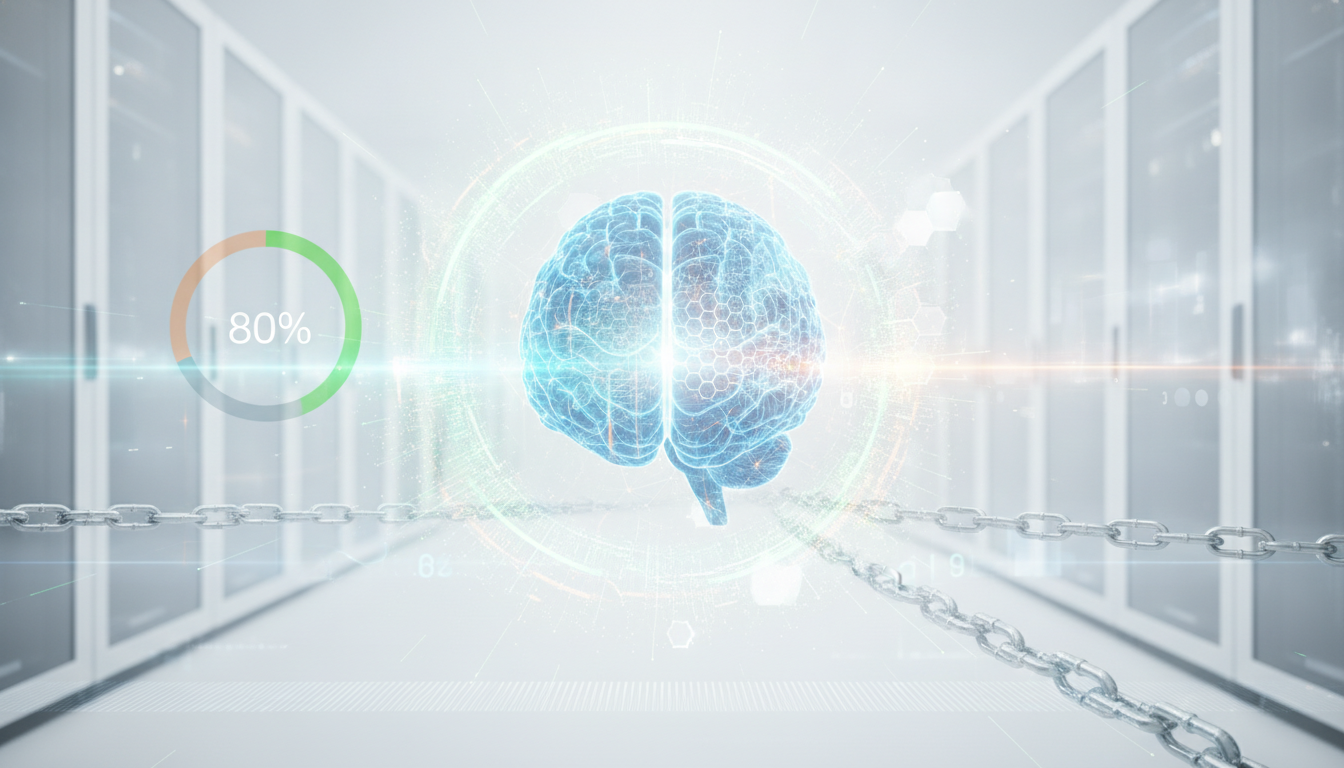
Recent surveys reveal that while over 80% of IT engineers acknowledge that AI can make superior judgments compared to humans, practical limitations regarding accountability and explainability prevent full delegation of tasks. To bridge this "trust and utilization gap," experts suggest implementing AI agents and building collaborative workflows featuring a "human-in-the-loop" model. Starting with low-risk processes, simultaneously establishing internal guidelines and improving literacy, and pursuing strategic adoption are deemed essential for enhancing the competitiveness of Japanese enterprises.
5. ASCII.jp Latest Topics: From Cybercrime Busts to New Hardware Reviews

Among the latest updates from tech media, reports cover the Spanish police arrest of a 16-year-old leader from the ransomware group "KillSec," the opening of pre-orders for Nintendo Switch 2 software, and migration details for V NEOBANK. The coverage also spans hardware reviews for UWB-enabled gaming mice and 37.5-inch ultra-wide monitors, evaluations of ASUS ROG’s 20th-anniversary commemorative models, and sales of PCs commemorating TGS2026 participation, offering a comprehensive look at everything from cutting-edge hardware to workplace efficiency tools.
6. Tokyo University of Science Selected for Metropolitan Deep Tech Hub Initiative

Tokyo University of Science has been selected for Tokyo Metropolitan Government’s "Deep Tech Innovation Hub Promotion Project," paving the way for the launch of the "TUS Innovation Hub" at its Katsushika campus. The hub will provide end-to-end support for university-born startups, spanning fields like advanced components, automation, and physical AI—from proof-of-concept validation and prototyping to fundraising and global expansion. By strengthening industry-academia collaboration networks, the initiative will fully accelerate the social implementation of deep tech innovations, positioning itself as a core hub within Tokyo.
7. U.S. Army Reassesses AI & Drone Deployment Strategy, Pivoting to "Focused Modernization"

The new leadership of the U.S. Army has announced a shift away from aggressively deploying emerging technologies like AI and drones, moving instead toward "focused modernization." Deputy Chief of Staff Randy George noted that "AI alone cannot create elite unit commanders," and introduced a new framework, "How the Army Fights," to transition from extensive experimentation to operational deployment. Prioritizing the enhancement of Command and Control (C2), the Army is clarifying technology deployment priorities and budget allocations to prevent organizational disruption while strategically improving combat readiness.
8. Challenges in AI Infrastructure and the Shift Toward a Data-Reliability-Focused Phase
As AI adoption accelerates, physical infrastructure challenges such as power consumption, cooling requirements, and space constraints are coming to the forefront. Datavault AI’s CEO advocates for a distributed approach leveraging edge computing and quantum technologies rather than relying solely on large centralized data centers. Meanwhile, the concept of "DataScore"—which visualizes the quality of data that dictates AI accuracy—is gaining attention. Industry professionals increasingly recognize the need to move beyond a race for processing speed toward a phase that prioritizes data reliability and accountability.
9. The Next Phase of LegalTech: Integrating Experimentation into Operational Workflows

In the LegalTech sector, AI applications are transitioning from pilot stages to integration within actual operational workflows. Following contract review and compliance checks, the focus is now shifting toward seamless integration with existing legal systems, ensuring data security, and driving sustained usage by legal professionals. Beyond simple tool adoption, companies are accelerating efforts to redesign legal department processes and build efficient, AI-centric decision-making environments.
10. Rethinking Growth Strategies in IT Services: Moving Beyond Fortune 500 Dependence

The IT services industry is actively seeking to break free from growth models heavily reliant on large-scale contracts with Fortune 500 companies. Solutions tailored for mid-market and niche industries, AI-driven automation services, and subscription-based delivery models are emerging as new growth engines. Amid rising demand for cost optimization and digital transformation, IT vendors are navigating a strategic pivot to rebuild sustainable revenue structures by combining flexible scalability with industry-specific expertise.
Accelerate your DX with Be A Racer
From cloud migration and AI adoption to full-stack development — we deliver the fastest digital transformation, end to end. Let's talk.
Tags
Comments
🗣️ Join the conversation
Sign in to leave a comment and join the discussion