
The Next Frontier of DX: How Data Integration and Generative AI Will Shape the Corporate Ecosystem of 2030
Be A Racer Team
Author
Introduction
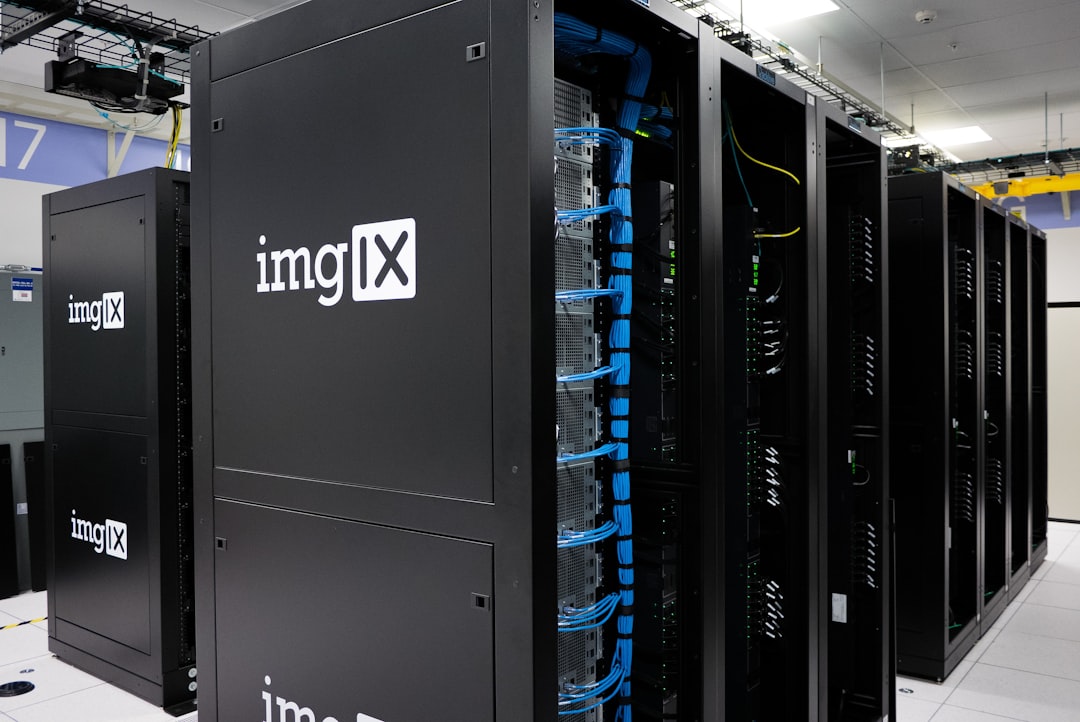
In an era where population decline has become the norm and traditional growth models have completely broken down, DX is no longer just about implementing digital tools—it is the core business strategy driving corporate survival and the creation of new value. This article provides an in-depth analysis of the latest trends at the intersection of data integration platforms and generative AI, outlining the evolutionary trajectory for businesses looking toward 2030. Only organizations that proactively embrace structural reform rather than viewing change as a mere threat will lead the next business ecosystem.
Current Market Trends and Background
Japan’s business environment is facing an unprecedented situation where the deepening labor shortage caused by aging demographics coincides with the rapid adoption of generative AI and hyperscale cloud computing. As a result, labor-dependent business processes are hitting physical limits, making fundamental redesign inevitable. In the market, efforts to build databases that consolidate sales, accounting, order management, HR, and production data scattered across departments are accelerating. Additionally, the advancement of SFA and ERP systems is speeding up, seamlessly connecting customer touchpoints to back-office operations, making real-time business visibility a standard requirement. As technological evolution deeply intertwines with societal structural changes, DX has evolved from merely an "option for operational improvement" into a complete "condition for survival" in the marketplace. Coupled with intensifying global competition and stricter data regulations, the ability to balance agile decision-making with robust governance now determines corporate destiny.
Three Paradigm Shifts Brought by DX
1. Shifting from Departmental Optimization to "Data-First" Management
While traditional DX often remained limited to digitizing existing workflows or achieving partial optimizations, integrated data platforms that transcend departmental boundaries are now the true source of competitive advantage. By consolidating fragmented data from sales, accounting, order management, and HR into a single source of truth, companies can finally enable enterprise-wide decision-making and rapid resource allocation. Data is not a static asset; it is the circulating blood of modern management. This paradigm shift eliminates information asymmetry between departments and dramatically shortens the validation cycle for new ventures. Organizations must strategically design their data architecture and evolve into continuously learning, data-driven entities. Siloed systems are no longer assets but liabilities, while unified data flows become the company’s central nervous system. Data transparency guarantees managerial credibility.
2. The "Autonomization of Decision-Making" via Generative AI and the Redefinition of Human Roles
The explosive evolution of generative AI is going beyond automating routine tasks to fundamentally restructuring the decision-making process itself. We are entering an era where AI handles real-time simulations and presents optimal solutions across end-to-end workflows, from quote generation and order management to demand forecasting. This frees employees from repetitive administrative work, allowing them to concentrate resources on strategic planning, creative problem-solving, and building deep trust-based relationships with customers. As human-AI collaboration becomes the norm, leadership must establish ethical usage frameworks and cultivate the literacy to critically evaluate AI outputs. Humans are shifting from a role of oversight to one of posing creative questions, and the quality of decisions enhanced by technology will determine corporate value. Upon this automated foundation, uniquely human empathy and insight will truly flourish.
3. Digitalizing Talent Development: The Dynamic Evolution of Skill Portfolios
As the lifecycle of technological obsolescence shortens, approaches to talent development are undergoing fundamental change. Training IT coordinators and project managers is no longer the exclusive responsibility of specialized departments; it is becoming a foundational competency required of all employees. Initiatives such as certification support and expanded internal libraries are strategic investments designed to exponentially boost organizational learning capacity, rather than mere employee benefits. Professionals who can dynamically acquire cloud and data analytics skills while autonomously designing their career paths form the core of organizational resilience. DX extends far beyond tool implementation; it is a continuous process that reconstructs the talent growth ecosystem itself and updates organizational culture. Organizations committed to continuous learning are the only ones capable of navigating uncertainty, and investment in people directly translates to amplified corporate value.
Industry-Specific Impacts and Future Forecasts
While each industry faces its own structural challenges, there is a shared acceleration toward data-driven business models. In manufacturing, predictive maintenance combining IoT sensors with AI, alongside autonomous supply chain optimization, is becoming standard, making mass customization a reality. In retail, personalized marketing powered by integrated purchase data and behavioral history is deepening, establishing immersive omnichannel experiences—where the line between physical stores and e-commerce disappears—as the new market norm. In the service sector, advanced concierge functions leveraging generative AI, combined with paperless back-office automation, are boosting profit margins while shifting workforce focus toward high-level customer relationship management. By 2030, cross-industry platform integration and data sharing will solidify as new revenue pillars. Borderless competition will pave the way for a new era of collaboration.
Action Plan: What Businesses Must Prepare Now
To stay ahead of an increasingly uncertain future, a clear roadmap and swift execution are indispensable. First, prioritize auditing existing systems and laying the groundwork for an integrated database. Establishing rigorous data quality management and governance is an absolute prerequisite for any AI initiative. Second, gradually introduce generative AI into sales support and back-office operations, building momentum through small-scale success stories. Automating end-to-end workflows from quoting to invoicing delivers rapid ROI and significantly boosts employee satisfaction. Third, fundamentally overhaul talent development frameworks and accelerate investments in certification support and cloud technology training. Cultivating a company-wide culture of IT literacy and project management capability will serve as the driving force for sustainable transformation. Start small, and scale your organization outward using data and talent as your core axes.
Conclusion
DX is a journey without a fixed destination; it is not merely about adopting technology, but about the very "evolution of corporate culture." It takes leadership resolve and an organization’s collective learning speed to turn the structural headwinds of demographic decline into tailwinds driven by data and AI. Rather than waiting for the future, the mindset of actively designing it is what will propel the next generation of business ecosystems. Now is the time to champion data-first management and step to the forefront of transformation. Fear no change, and continue pushing toward new horizons with data and talent as your compass.
Accelerate your DX with Be A Racer
From cloud migration and AI adoption to full-stack development — we deliver the fastest digital transformation, end to end. Let's talk.
Tags
Comments
🗣️ Join the conversation
Sign in to leave a comment and join the discussion