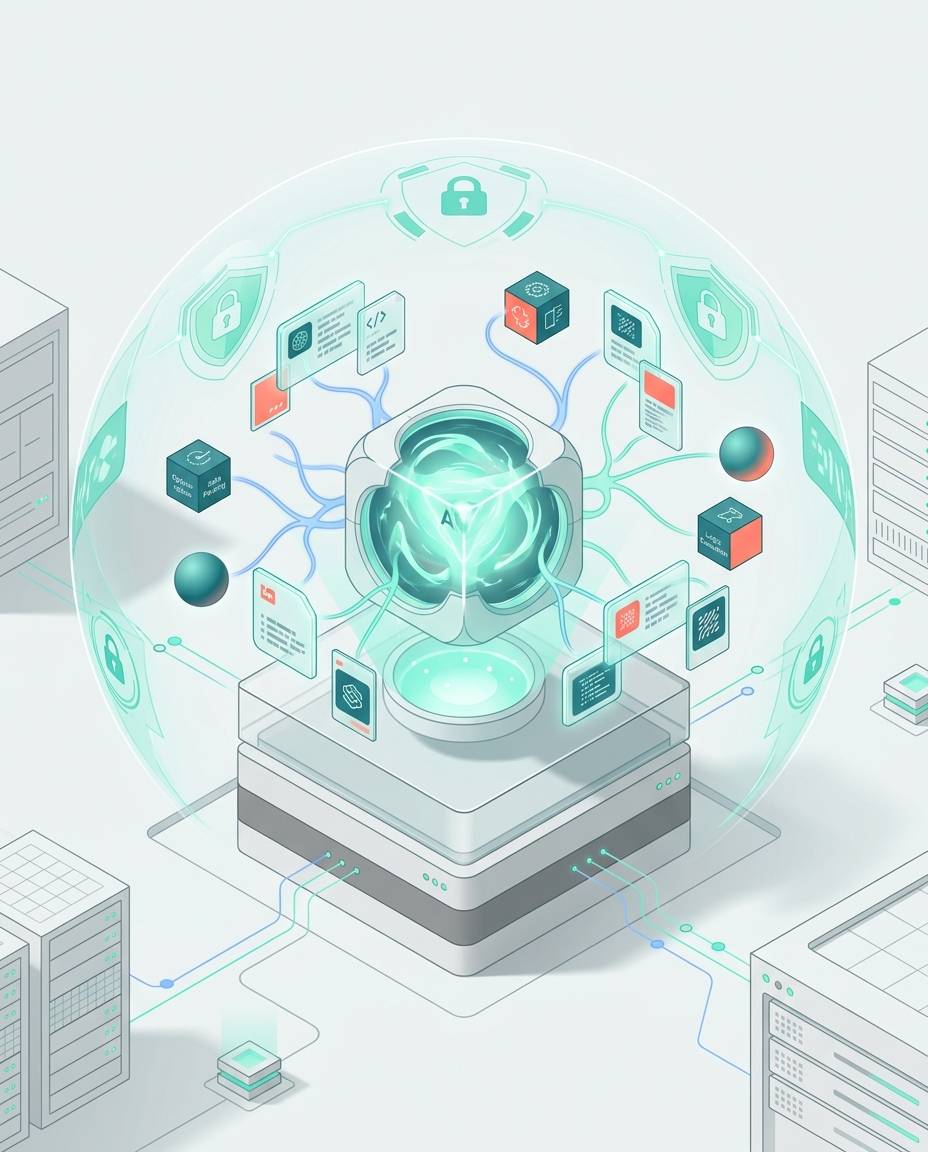
What Is Hermes Agent? The Self-Hosted AI Agent That Remembers and Improves Itself
Be A Racer Team
Author
1. What Is Hermes Agent? 🤖
Hermes Agent is an open-source autonomous AI agent released by the research organization Nous Research in February 2026. It is not a coding copilot bolted onto your IDE, nor a chatbot wrapping a single API. It is designed to run continuously on your own server, remember what it learns, and grow more capable the longer it runs — an AI that genuinely matures with use.
It is MIT licensed, so anyone can modify and use it commercially. It runs on Linux, macOS and WSL2, and installs in a single curl command that pulls in every dependency automatically. Its GitHub stars passed 190,000 within months of launch, and a desktop app arrived in June 2026.
2. How It Differs From a Normal Chatbot
Many companies already use assistants like ChatGPT. So what is actually new here? Three things.
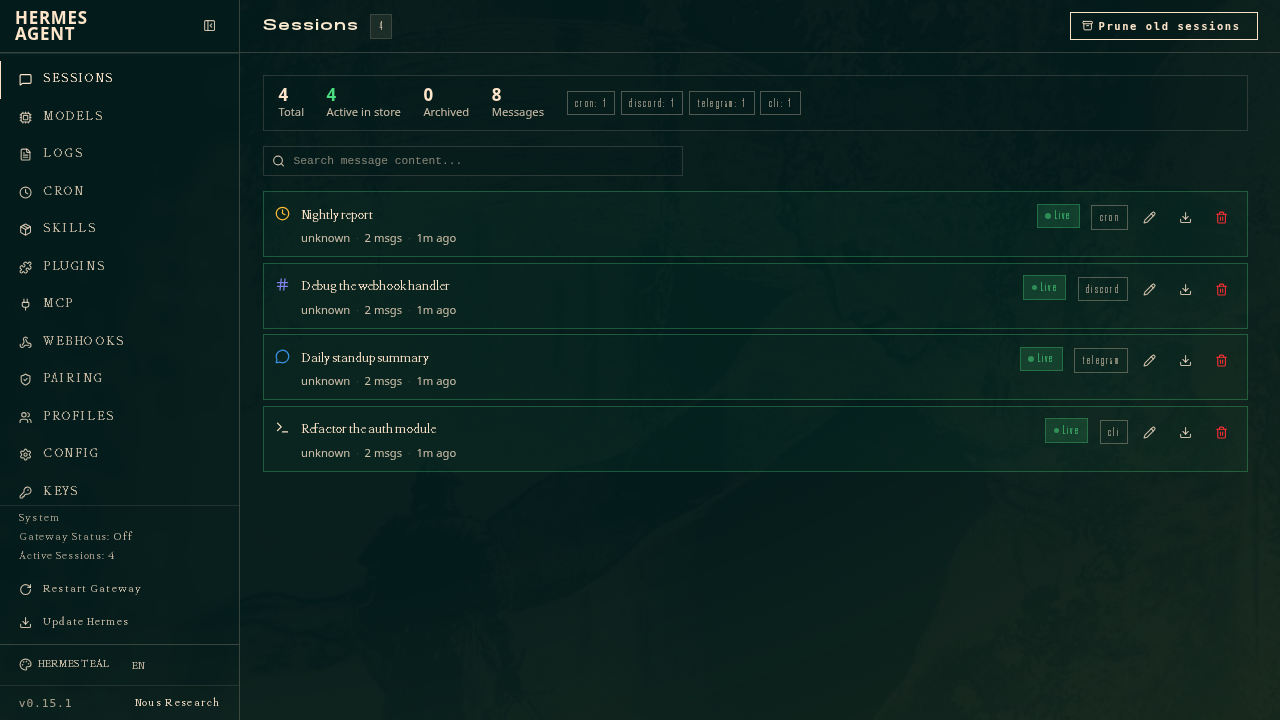
1) Persistent memory (it does not forget on restart)
A typical chat assistant works per session — once the conversation ends, the context is gone. Hermes Agent is different. It stores what it learns, past interactions and working context persistently on your server, and remembers across restarts. The more you use it, the closer it gets to a dedicated teammate who actually understands your operations.
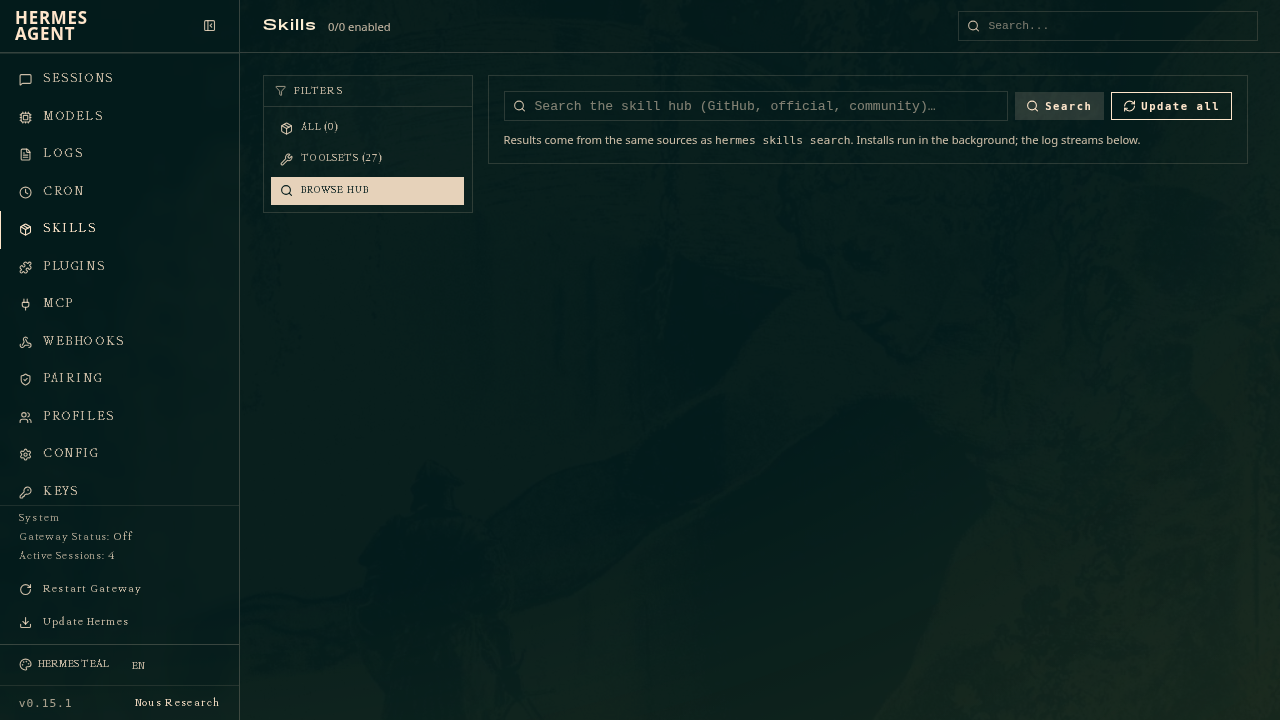
2) A self-improving loop (tasks become skills)
After every task, Hermes Agent runs an evaluation layer. It judges whether the outcome succeeded, extracts the successful procedure as a reusable “skill file”, and saves it. The next time a similar task appears, it pulls the relevant skill instead of reasoning from scratch. The more it works, the faster and more reliable it becomes — this self-improvement is its defining feature.
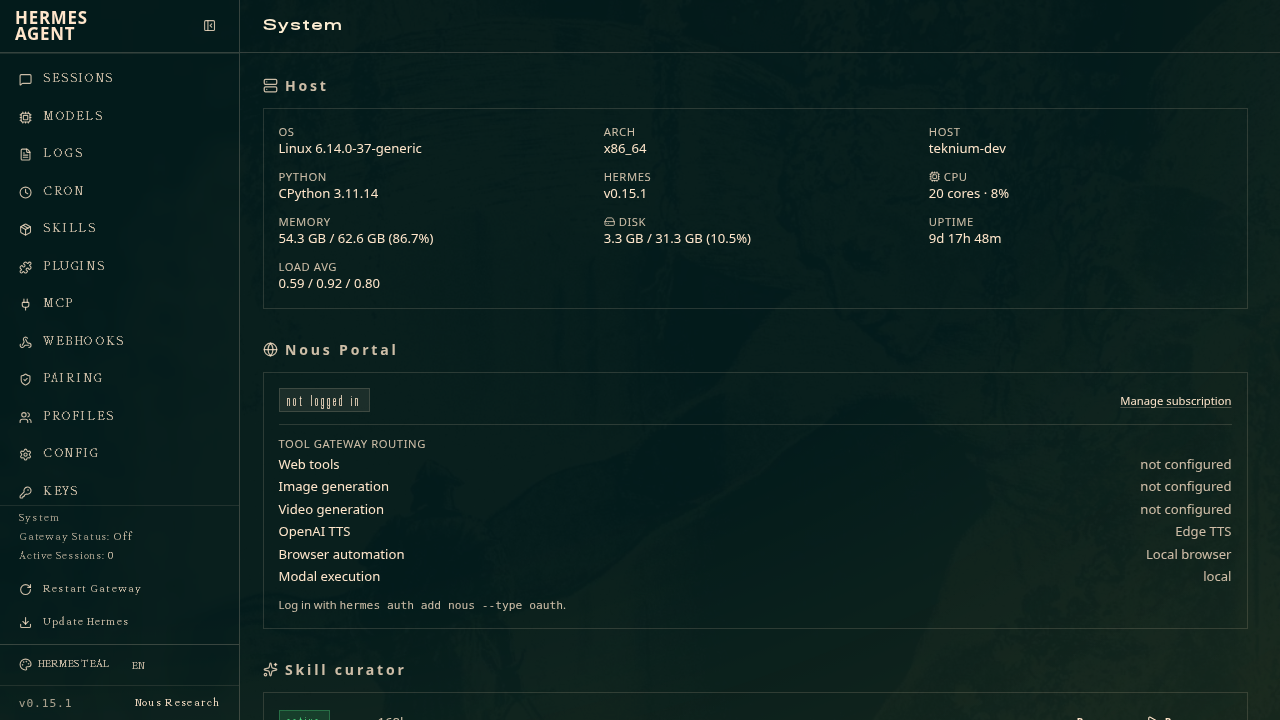
3) Fully self-hosted (your data stays in)
Hermes runs on your own server with no telemetry, no tracking and no cloud lock-in. All data stays local. For any company handling confidential or customer data, this is a decisive advantage.
3. At-a-Glance Comparison
| Aspect | Typical cloud AI assistant | Hermes Agent |
|---|---|---|
| Memory | Session-only (lost on exit) | Persistent (kept across restarts) |
| Growth | Largely fixed | Accumulates skills, self-improves |
| Where data lives | Vendor cloud | Your own server (local) |
| License | Often closed/commercial | Open source (MIT) |
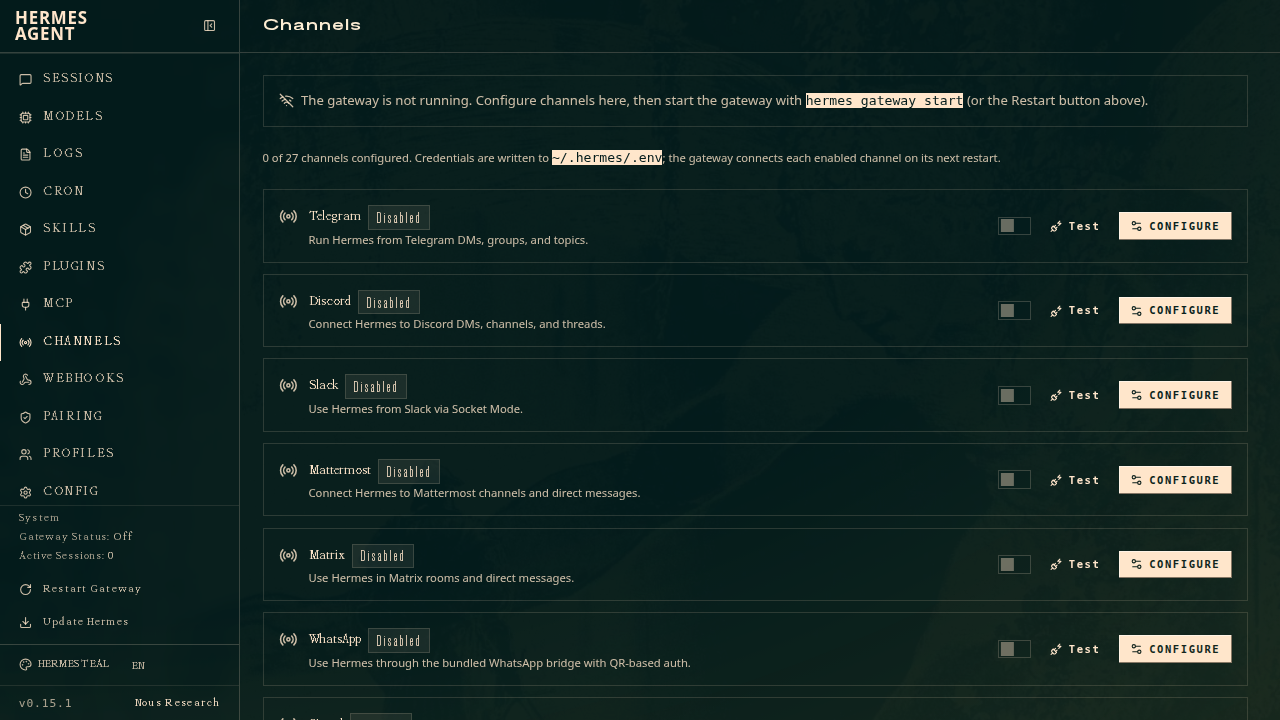
| Integrations | Product-dependent | Telegram, Discord, Slack, WhatsApp, etc. |
4. What It Means for Enterprise DX and Automation
An agent that remembers, improves itself and keeps data in-house changes how automation works. Concrete use cases include:
- Keeper of internal knowledge: the more you delegate support and procedures, the more your company-specific know-how accumulates as skills — reducing key-person dependency.
- Automating routine work: report generation, data aggregation and notification flows, instructed through chat tools. Once a procedure is established, it gets reused.
- Operating in secure environments: healthcare, finance and manufacturing — industries that cannot send data outside — can run it safely on-premise.
- Avoiding vendor lock-in: being open source, you can modify and extend it in-house and keep long-term technical sovereignty.
5. Points to Weigh Before Adopting
Powerful as it is, an autonomous, self-hosted agent comes with its own considerations.
- Operations burden: you run the server setup, monitoring and updates yourself. It is not a hands-off SaaS.
- Permissions and governance: precisely because it acts autonomously, designing its scope of action, approval flows and audit logs matters.
- Phased rollout: start with low-risk routine tasks, watch the skills and accuracy build up, then widen the scope safely.
6. Try It (Open Source & Install Links)
Hermes Agent is open source under the MIT license. If you are curious, you can try it in your own environment right away.
- GitHub repository: github.com/NousResearch/hermes-agent
- Official site & docs: hermes-agent.nousresearch.com
Installation is a single line (Linux / macOS / WSL2, dependencies handled automatically):
curl -fsSL https://hermes-agent.nousresearch.com/install.sh | bashFor a headless setup that does not need browser automation, add --skip-browser to skip the Playwright step:
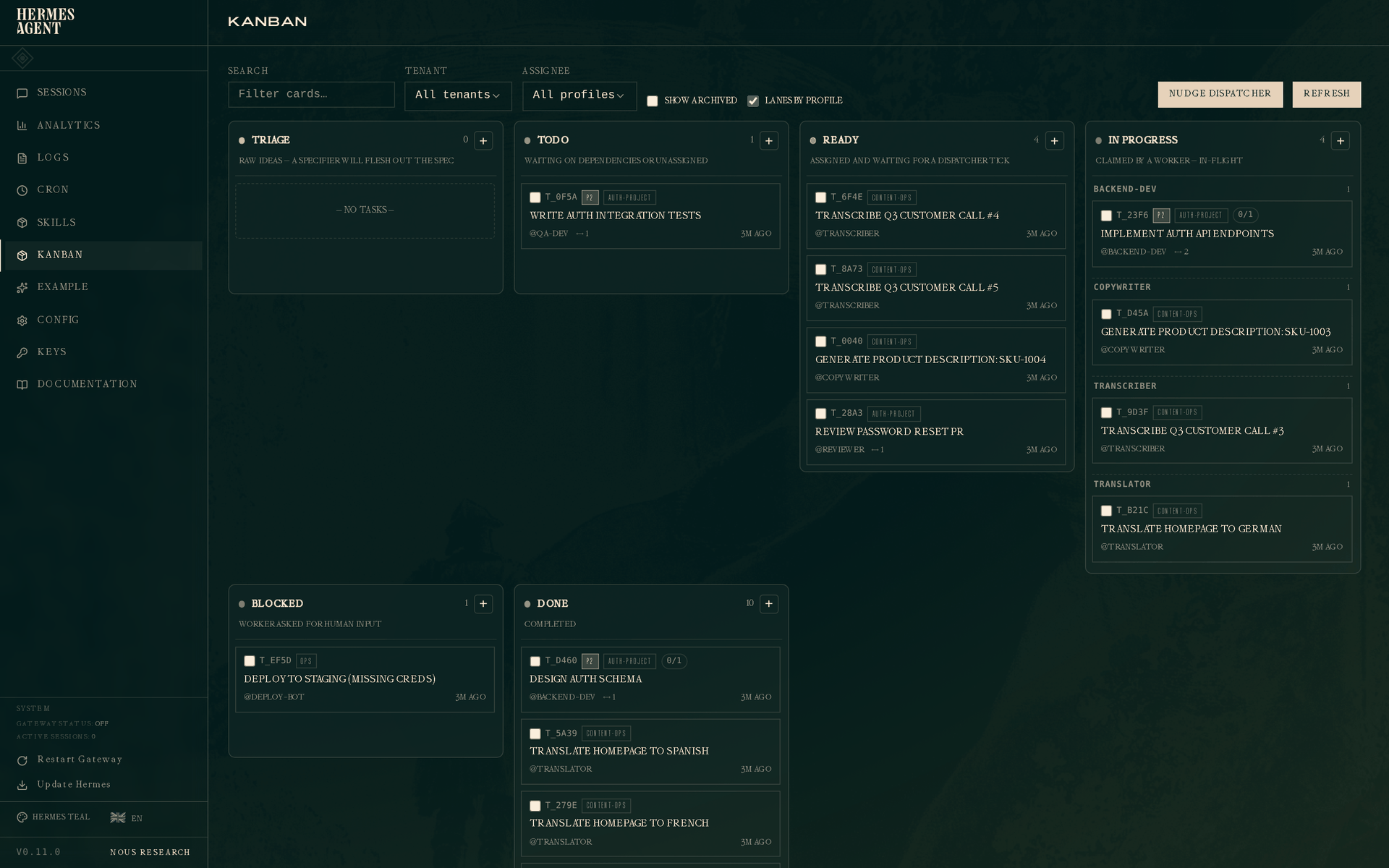
curl -fsSL https://hermes-agent.nousresearch.com/install.sh | bash -s -- --skip-browserNote: the screenshots in this article are from the official repository (MIT). Installing and operating third-party tools is at your own risk — follow your organization's security policy.
7. Conclusion
Hermes Agent updates the very idea of an AI agent — from a disposable chat to a partner you raise over time. Its three pillars (persistent memory, self-improvement, self-hosting) are exactly the design philosophy a company needs to build AI into a compounding asset. Keeping your data and operational knowledge in-house while making the system stronger over time — this is the next generation of automation worth paying attention to now. 💡
Accelerate your DX with Be A Racer
From cloud migration and AI adoption to full-stack development — we deliver the fastest digital transformation, end to end. Let's talk.
Tags
Comments
🗣️ Join the conversation
Sign in to leave a comment and join the discussion